How to Prepare a Car Mat OEM/ODM Inquiry
A useful inquiry identifies the buyer, target market, vehicle list, fitment details, product requirements, quantity, branding, and packaging. Clear inputs make quotation and sampling discussions more efficient.
Reviewed by the OUBIAO MAT project team
Start with confirmed facts and open questions
A useful OEM/ODM inquiry does not need to have every specification finished. It should separate confirmed requirements from points that still need a sample or technical review. This allows both sides to see what can be quoted immediately and what must be checked before approval.
Begin with your company type, destination market, sales channel, expected vehicle coverage, and the purpose of the project. A wholesaler, retail chain, e-commerce seller, dealership group, and fleet buyer may need different model lists, packaging, and order planning.
1. Introduce the project
State the destination country, customer type, sales channel, and whether the request is for an existing product, a new vehicle pattern, a private-label program, or a mixed-model order.
If there is a planned launch window, explain it as a target rather than a confirmed production date. The final schedule should be agreed after fitment, specification, artwork, sample, and packaging requirements are approved.
2. Send a structured vehicle list
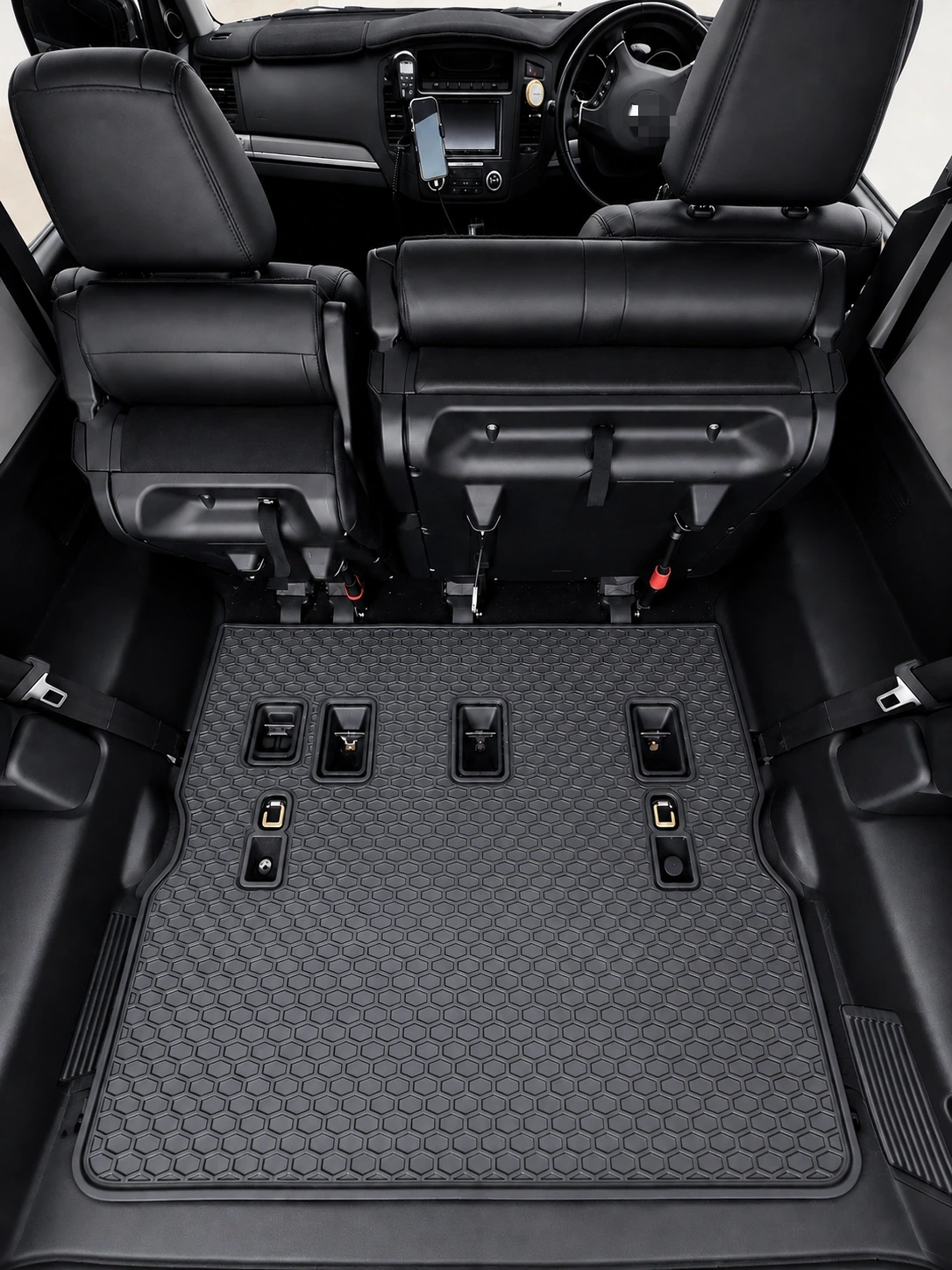
For each item, provide the brand, model, generation or model code, production year, body or cab type, left-hand or right-hand drive, and destination market. Include interior or footwell photos when a model name may cover several layouts.
Use one row for each fitment. Avoid combining several generations under one item until the pattern has been checked. For truck mats, add the cab designation and any floor details that distinguish similar versions.
Year, generation, cab, market, steering layout, pedals, seat rails, center tunnels, and retention points can change the required pattern.
3. Describe the required product
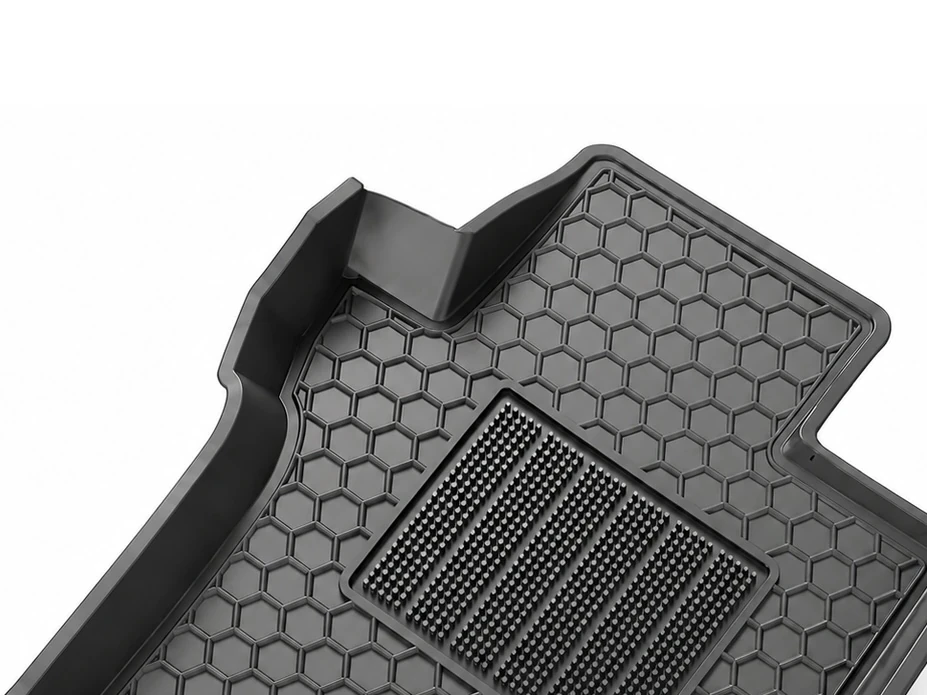
If you already have a reference sample, specification, or target retail product, send clear photos and measurements. Identify the preferred material and structure, color, surface, backing, edge finish, retention details, and set contents.
If these points are still open, mark them as open. Ask for sample options instead of requiring the supplier to guess. A quotation based on an undefined “standard mat” is difficult to compare and easy to misunderstand.
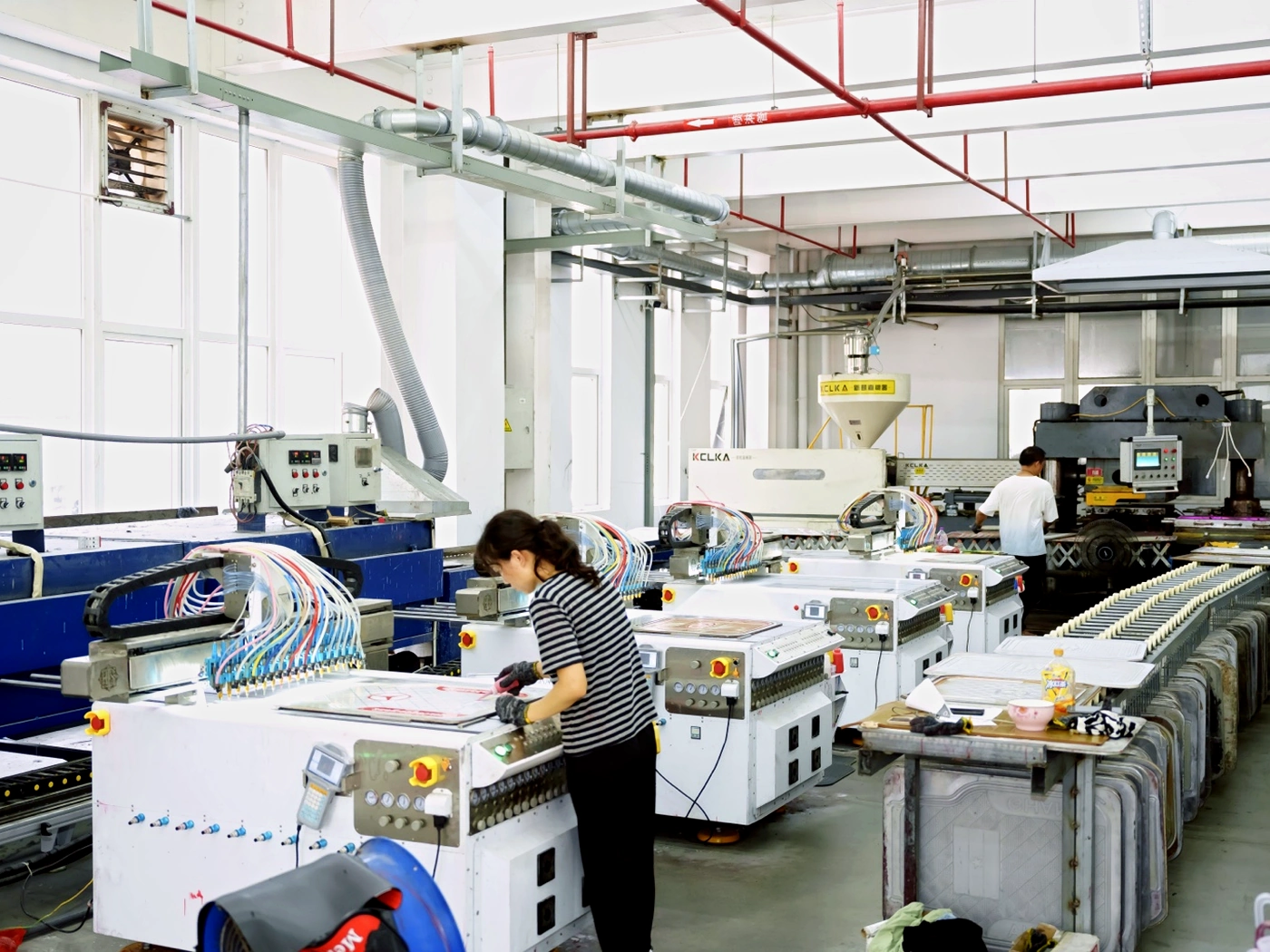
Review the OUBIAO MAT OEM/ODM car mat workflow before preparing the final sample requirements.
4. State quantity clearly
Separate total program volume from quantity per vehicle, color, and packaging version. MOQ and production planning can depend on this breakdown. For a first order, identify core models and trial models rather than distributing the same small quantity across too many SKUs.
If the project may expand, provide a second-stage vehicle list as planning information. Keep estimates separate from confirmed purchase quantities.
5. Prepare branding files
For private-label work, provide the logo in an editable vector format and state where it should appear: product, badge, label, bag, or carton. Confirm color references, size, and placement after reviewing the relevant sample or dieline.
Only provide artwork that your company is authorized to use. Vehicle brands, third-party logos, and packaging claims may require separate permission or review.
6. Define packaging and logistics
Describe the sales channel and required packing method. State whether you need item labels, barcodes, language versions, carton marks, palletization, or warehouse-specific identification.
Provide the destination country and preferred shipping term for commercial discussion. Final carton size, gross weight, and loading information should be based on the approved product and packing method.
A practical OEM/ODM inquiry checklist
- Buyer profileCompany, destination market, customer type, and sales channel.
- Vehicle listBrand, model, generation, year, cab or body, market, and LHD/RHD.
- Product requirementMaterial, structure, finish, set contents, retention, and reference sample.
- QuantityTotal program volume and quantity by vehicle, color, and packaging version.
- BrandingAuthorized logo artwork, placement, labels, barcodes, and color references.
- PackagingPacking method, carton identification, destination, and warehouse requirements.
- Open questionsClearly mark any item that still needs a sample, pattern, or commercial confirmation.
Preparing a car mat OEM/ODM project?
Send the vehicle list, target market, quantity, material preference, and packaging plan. If a field is not confirmed, mark it as open so the next discussion focuses on the decisions that affect sampling and quotation.