Pre-Production Checks Buyers Should Confirm Before Bulk Car Mat Orders
A clear pre-production checklist helps importers and wholesalers reduce fitment errors, control product consistency, and avoid packaging or labeling problems before mass production begins.
Why pre-production confirmation matters
For a bulk car mat order, approving only the overall appearance is not enough. Small differences in vehicle floor shape, material hardness, edge finishing, color, odor, or carton markings can become expensive problems after production is completed.
A structured pre-production confirmation gives both the buyer and manufacturer one clear standard to follow. It reduces misunderstandings, shortens inspection time, and makes repeat orders more consistent.
Six points to confirm before production
1. Vehicle and fitment information
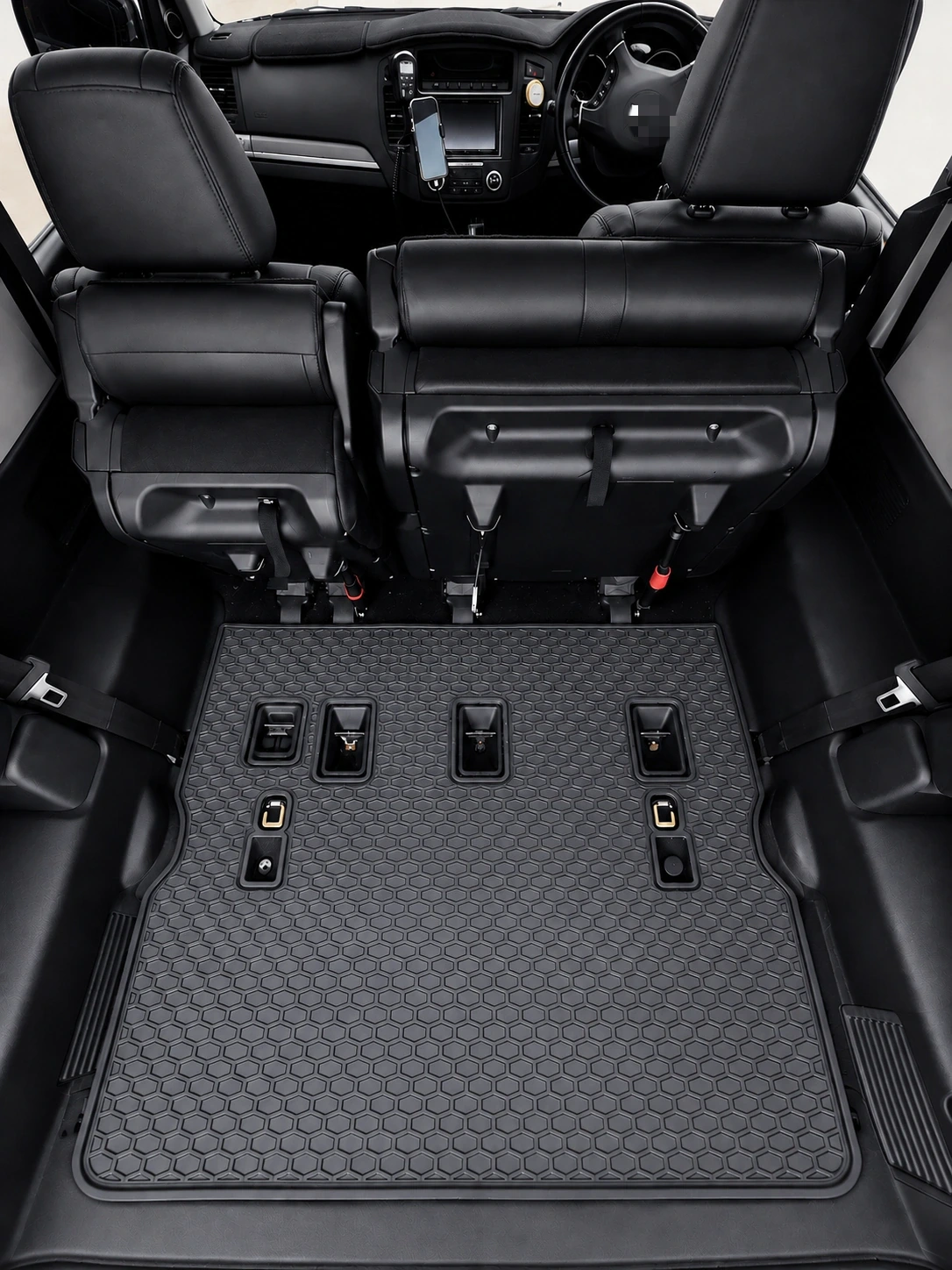
Provide the exact vehicle brand, model, production year, body style, steering position, and trim differences. For new models, check the sample or pattern against the real vehicle, including seat rails, pedals, retention clips, center tunnels, raised edges, and any area that may interfere with driving.
2. Material and product structure
Confirm material type, thickness, hardness, flexibility, surface texture, backing structure, and product weight. If several price levels are required, clearly define the differences between standard, upgraded, and premium specifications.
3. Color, surface finish, and odor
Approve a physical color sample or an agreed color range instead of relying only on screen images. Inspect gloss, marks, contamination, texture consistency, and odor requirements, especially for retail products used in enclosed vehicle interiors.
4. Edges, logos, and retention details
Check edge shape, trimming quality, logo position and size, badge attachment, clips, and anti-slip structures. Any vehicle brand, model name, third-party logo, or packaging mark should be supported by authorized artwork and a confirmed scope of use.
5. Packaging and carton markings
Approve the packing method, quantity per carton, inner protection, labels, barcodes, shipping marks, carton dimensions, and pallet requirements. Multi-model orders should use clear item codes so warehouse teams can identify products quickly.
6. Inspection standard
Define checkpoints for dimensions, weight, color, odor, surface defects, logo position, retention clips, packaging, carton quantity, and shipping marks. The approved sample, specification sheet, packaging artwork, and checklist should use the same item code and revision.
A practical approval package
- Approved sampleA physical sample or vehicle pattern confirmed against the real vehicle.
- Product specificationMaterial, thickness, structure, color, weight, fitment, and finishing requirements.
- Brand referencesApproved logo artwork, position, size, color, and authorization where required.
- Packaging artworkFinal labels, barcodes, cartons, shipping marks, and language requirements.
- Inspection checklistOne agreed standard for production checks and pre-shipment inspection.
- Order detailsConfirmed item codes, quantities, revisions, and delivery schedule.
Any change made after approval should be recorded before production continues. This helps avoid mixed specifications in multi-model or multi-packaging orders.
Preparing a new car mat order?
Send us your vehicle list, target specifications, and packaging requirements. Our team will help you build a practical pre-production checklist.